Preconception Health for Couples: How to Support Your Body Before Pregnancy
Preparing for pregnancy can look different for every couple. Some pregnancies are carefully planned, while others happen unexpectedly. Both experiences are valid, and there is no “perfect” timeline for becoming parents.
What we do know is that the months before conception can play an important role in supporting fertility, hormone balance, overall health, and future pregnancy outcomes.
A functional and integrative approach to preconception health looks at the whole picture: nutrition, sleep, stress, environmental exposures, gut health, inflammation, and nutrient status. Rather than focusing only on conception itself, preconception care aims to help create a healthier foundation for both parents and baby.
Whether you are actively trying to conceive, hoping to get pregnant in the near future, or simply wanting to better support your reproductive health, small changes before pregnancy can make a meaningful difference over time.
Why Preconception Health Matters
The health of both parents before conception can influence far more than the ability to get pregnant. Preconception health may affect:
- Egg and sperm quality
- Ovulation and hormone balance
- Fertility outcomes
- Risk of miscarriage or pregnancy complications
- Risk of premature birth or low birth weight
- Fetal development, including neural tube development
- Long-term child health and neurodevelopment
Nutrition, sleep, chronic stress, inflammation, alcohol use, smoking, toxin exposure, and underlying health conditions can all impact reproductive health.
Family history also matters. Certain genetic patterns, recurrent pregnancy loss, infertility, or a prior child with neurodevelopmental concerns may warrant more personalized preconception counseling before trying to conceive.
A preconception checkup with a knowledgeable provider can help identify areas that may need support before pregnancy begins rather than during pregnancy or afterward.
Both Partners Need to Prepare
Preconception health is often discussed primarily in relation to women, but male health matters too.
Sperm health can influence fertility, embryo development, and pregnancy outcomes. Lifestyle factors such as smoking, alcohol intake, poor sleep, chronic stress, nutrient deficiencies, environmental toxin exposure, and ultra-processed diets may all impact sperm quality and overall reproductive health.
Supporting both partners during the preconception period may help strengthen the foundation for a healthy pregnancy.
A Realistic Timeline for Preparation
The body needs time to rebuild nutrient stores and support healthy egg and sperm development.
Because sperm production and egg maturation take time, preconception preparation ideally begins before actively trying to conceive.
General timelines may include:
- Minimum: 3 months
- Optimal: 6 months
- Longer timelines: May be beneficial for couples navigating infertility, hormone imbalances, chronic illness, or significant environmental exposures
This preparation period can allow time to improve nutrition, support detoxification pathways, reduce inflammation, stabilize blood sugar, improve sleep, and build sustainable lifestyle habits.
Reduce Everyday Exposures Where Possible
Reducing everyday exposures is one way to support the body before pregnancy. This is not about fear or perfection. It is about making realistic changes that may help support hormone balance, fertility, and overall health.
Areas to consider may include:
Alcohol, Smoking, and Recreational Drugs
Heavy alcohol intake, smoking, and certain substances may negatively impact fertility, ovulation, sperm health, and pregnancy outcomes. Reducing or eliminating these exposures before conception may help support reproductive health.
Personal Care Products
Many shampoos, lotions, cosmetics, and fragrances contain ingredients that may contribute to unnecessary chemical exposure. Choosing lower-tox or fragrance-free options can be a supportive place to start.
Cleaning Products and Detergents
Household products are often overlooked sources of exposure. Fragrance-free and lower-tox alternatives may be helpful during preconception and pregnancy.
Nonstick Cookware
Some nonstick cookware may contain PFAS, also known as “forever chemicals,” which have been studied for their potential impact on hormone and reproductive health.
A 2025 FDA report identified PFAS in a number of cosmetic products sold in the United States, highlighting how common these exposures may still be in everyday life.
Synthetic Candles and Air Fresheners
Indoor air quality matters. Artificial fragrances and air fresheners may contribute to unnecessary chemical exposure inside the home.
Pest Control Chemicals and Mold Exposure
Pesticides, mold exposure, and other environmental toxins may place additional stress on the immune and detoxification systems.
Ultra-Processed Foods
Ultra-processed foods are often lower in nutrients and higher in additives, preservatives, inflammatory oils, and artificial ingredients that may be less supportive during preconception.
Why Everyday Exposures Matter During Preconception
Emerging research continues to explore how environmental chemicals may affect reproductive health, hormone signaling, placental function, and fetal development.
Some studies have linked higher levels of certain environmental exposures with increased rates of infertility, hormone disruption, neurodevelopmental concerns, premature birth, and other chronic health challenges.
While no one can eliminate every exposure entirely, reducing overall toxic burden where possible may help support a healthier pregnancy environment.
Functional medicine focuses on practical, realistic changes rather than fear-based approaches. The goal is progress, not perfection.
The Building Blocks of Life
Nutrition is the foundation of preconception support. The body requires adequate macro and micronutrients to support ovulation, conception, implantation, and early fetal development.
Key nutritional priorities include:
High-Quality Proteins
Lean proteins provide amino acids needed for hormone production, blood sugar balance, tissue repair, and fetal growth.
Healthy Fats
Healthy fats help support hormone production, brain development, and nervous system health. We prefer fats such as coconut, olive, and avocado if tolerated.
Vegetables and Fruits
Colorful produce provides antioxidants, vitamins, minerals, and fiber that support overall health and help reduce oxidative stress. There is a saying in nutrition that, “five is fine, but nine is divine”. This means adding a minimum of five servings of plants per day is recommended, but even more is better.
Fiber-Rich Carbohydrates
Whole grains, legumes, vegetables, and other fiber-rich carbohydrates help support gut health, hormone metabolism, blood sugar balance, and detoxification pathways.
Hydration
Proper hydration supports circulation, energy levels, detoxification, and overall cellular function.
Prenatal Vitamins and Key Nutrients
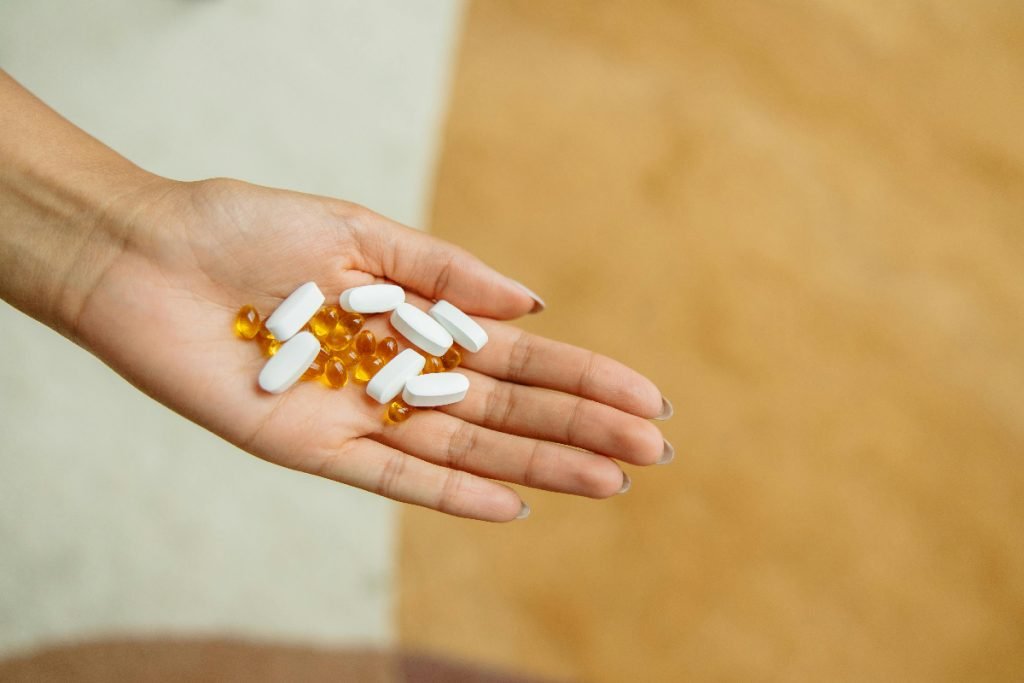
Starting a high-quality prenatal vitamin before trying to conceive is one of the clearest recommendations in preconception care. The nutrients in a prenatal support egg quality, hormone production, and early fetal development from the very first days of pregnancy, often before a woman even knows she is pregnant.
Key nutrients during preconception and pregnancy may include:
- Omega-3 fatty acids and DHA to support fetal brain and nervous system development
- Choline to support brain development and neural tube health
- Iron to support healthy blood volume and oxygen delivery
- Zinc to support immune function, DNA synthesis, and fetal growth
- B vitamins, especially folate to support methylation, cellular growth, and neural tube development
Folate plays a particularly important role during early fetal development and neural tube formation.
Traditionally, folic acid has been the standard prenatal recommendation. However, emerging research continues to explore whether folate form may matter for some individuals, particularly those with folate pathway impairments, MTHFR polymorphisms, or folate receptor alpha autoantibodies (FRAA).
A 2026 review by Ayoub et al. discussed how folinic acid (leucovorin), a bioactive reduced folate, may help bypass impaired folate transport pathways in certain at-risk populations. The review highlighted emerging evidence suggesting that reduced folate forms, including folinic acid and methylated folate, may offer additional support in some pregnancies compared to synthetic folic acid alone.
The paper also reviewed preliminary findings linking folinic acid use during preconception and pregnancy with improved neurodevelopmental outcomes in specific high-risk groups, though the authors emphasized that larger clinical trials are still needed.
Because every individual is different, prenatal supplementation should always be personalized with a qualified healthcare provider, especially for individuals with a history of infertility, miscarriage, chronic illness, neurodevelopmental concerns, or genetic variations affecting folate metabolism.
Support the Body with Healthy Lifestyle Habits

Nutritional support matters, but it works best alongside healthy lifestyle habits.
Key areas to address during preconception include:
Maintain a Healthy Weight
Being underweight or overweight may affect ovulation, fertility, hormone balance, and pregnancy outcomes.
Prioritize Sleep
Consistent, restorative sleep supports hormone production, metabolism, immune function, and stress regulation.
Reduce Stress
Chronic stress can impact reproductive hormones, inflammation, digestion, sleep, and overall health. Nervous system support, movement, mindfulness, therapy, and stress-reducing practices may all be beneficial.
Stay Physically Active
Regular movement supports circulation, blood sugar balance, hormone health, stress reduction, and overall wellness.
Address Chronic Health Concerns
Conditions such as IBS, chronic constipation, autoimmune conditions, mold exposure, hormone imbalances, chronic fatigue, anxiety, and inflammatory conditions may all influence fertility and pregnancy outcomes.
Personalized Preconception Care
Every couple’s health history is different. There is no single preconception protocol that applies equally to everyone.
A personalized approach may include evaluating:
- Personal and family history
- Nutrient status
- Gut health
- Hormone balance
- Environmental exposures
- Chronic inflammation
- Lifestyle habits
- Genetics
- Stress and nervous system health
Functional and integrative medicine approaches focus on identifying root causes and supporting the body as a whole rather than only managing symptoms.
The goal is to identify underlying imbalances and help support both partners in building the healthiest possible foundation before pregnancy begins.
Final Thoughts
Preparing for pregnancy naturally is not about achieving perfection. It is about creating a healthier foundation for conception, pregnancy, and long-term family wellness.
Small, consistent changes over time can make a meaningful difference. Supporting nutrition, reducing unnecessary toxin exposures, prioritizing sleep, managing stress, and caring for both partners may help optimize fertility and overall reproductive health.
Whether you are just beginning to think about pregnancy or have been trying to conceive for some time, personalized support and education can help make the process feel more informed, sustainable, and empowering.
Looking for Personalized Preconception Support?
At Neuronutrition Associates, we offer functional and integrative care designed to support fertility, hormone health, nutrition, environmental wellness, and overall reproductive health for both partners before pregnancy begins.
If you are preparing for pregnancy and looking for a root-cause approach that goes beyond generic advice, our team is here to help.
References
- American College of Obstetricians and Gynecologists. (2019). Prepregnancy counseling. https://www.acog.org/clinical/clinical-guidance/committee-opinion/articles/2019/01/prepregnancy-counseling
- Ayoub, G. (2026). Perinatal leucovorin offers a precision folate strategy for at-risk pregnancies. Journal of Gynecology and Reproductive Health.
- Centers for Disease Control and Prevention. (2024). Planning for pregnancy. https://www.cdc.gov/preconception/planning.html
- Harvard T.H. Chan School of Public Health. (n.d.). Fertility and diet: Is there a connection? https://www.hsph.harvard.edu/nutritionsource/fertility-diet/
- March of Dimes. (2023). Folic acid. https://www.marchofdimes.org/find-support/topics/planning-baby/folic-acid
- National Institute of Environmental Health Sciences. (n.d.). Reproductive health and the environment. https://www.niehs.nih.gov/health/topics/conditions/repro-health
- U.S. Food and Drug Administration Office of Cosmetics and Colors. (2025). Mini report on the use of PFAS in cosmetic products and associated risks. U.S. Food and Drug Administration.