Coming into this summer, I was so excited.
I planned to spend much of July celebrating my almost-50th birthday in Indonesia—practicing yoga with friends in Bali, traveling the world, and having a grand adventure.
Then, almost overnight, everything came to a screeching halt.
My husband became very sick. Not the kind of illness that functional medicine could address, but the kind that makes you profoundly grateful for conventional medicine, modern surgery, and exceptionally skilled surgical hands.
Without sharing too much of his personal medical story, James required emergency spinal surgery to prevent permanent paralysis. After an eight-hour operation in the skilled hands of Dr. John Stokes, followed by three days in the ICU and five more days on the surgical floor, we were finally able to return home and begin what we knew would be a long road toward healing.
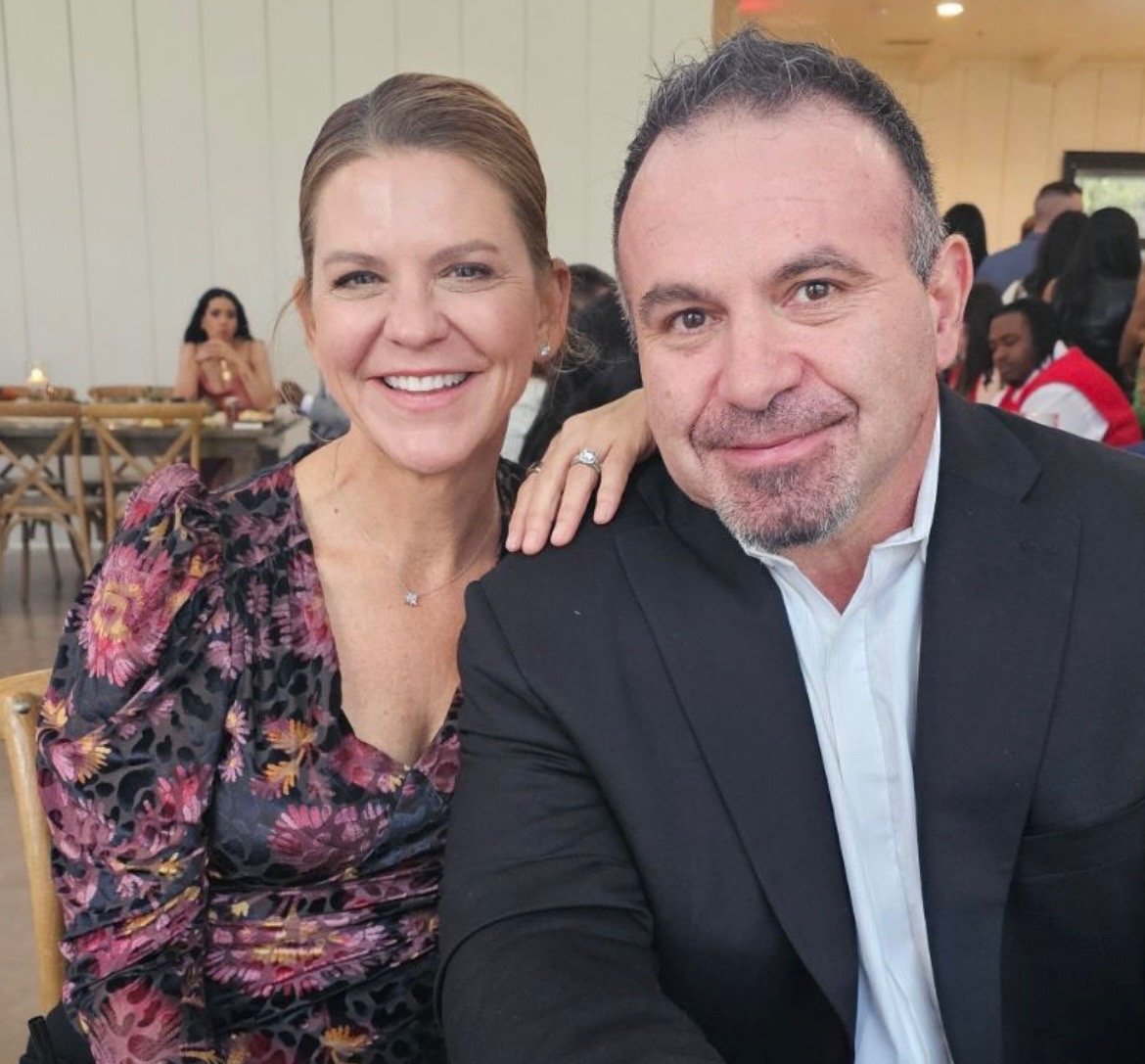
James is the backbone of Neuronutrition Associates. He often jokes that he has the “unglamorous” job behind the scenes, but he is one of the primary reasons our practice has been able to grow, support so many families, and succeed. This August, we will celebrate 26 years of marriage.
When he became ill, everything in my world stopped.
Nothing mattered except him and his health: that he would make it through surgery, that he would walk again, and that he would find relief from the unrelenting pain.
Recovery has happened through small, daily victories. Now, nearly eight weeks later, I finally feel ready to talk about some of what we experienced.
As often happens when a major life event changes our reality, I have learned important lessons. I have also spent a great deal of time reflecting on you—the families and individuals we serve.
Most people do not find Neuronutrition Associates simply because they are looking to optimize their health. Many arrive at our practice because their family is hurting.
Perhaps your child is struggling in ways you never anticipated. You may be grieving the loss of ease, connection, or the future you once imagined. Your child may be living with autism, anxiety, severe behavioral challenges, chronic illness, or another condition that has changed the rhythm of your entire family. You may have a teenager who is depressed or has wondered whether life is worth continuing.
I am no stranger to walking beside families through uncertainty, grief, and suffering. But experiencing fear and helplessness within my own family, to this degree, changed something inside me.
It deepened my understanding of what it means to live from one appointment, one test result, or one small improvement to the next.
It reminded me that when someone we love is suffering, the rest of the world can become very quiet.
Hardship can transform us. Not because pain is inherently good, and not because every difficult experience needs to be reframed as a blessing, but because it can clarify what matters most.
We have limited time with our children while they are young. We have limited time with our parents as they grow older. We have limited time with the people we love, even when we cannot yet see where the edges of that time may be.
The question I have found myself asking is this:
How do we live meaningfully within the life we have today, even when our circumstances are not what we hoped they would be?
How do we find moments of peace when we are carrying grief, fear, disappointment, or loss?
I do not have a perfect answer. But I can share a few of the things that helped sustain me.
Community
The support that poured in from our clinic team, our family, our friends, and even people we had not spoken with in years was extraordinary.
Meals appeared. Messages arrived. People offered practical help, encouragement, and companionship. Some simply reminded us that we were not alone.
Community cannot remove suffering, but it can make suffering less isolating.
Faith
I do not often speak publicly about my faith. Not because it is unimportant to me, but because I want to respect and leave space for the beliefs of every family we serve.
During this experience, however, my faith was essential.
Taking time each day to pray, and knowing that others were praying for us, gave me immeasurable comfort. Faith gave me somewhere to place the fear when it became too heavy to carry alone.
Whatever faith or spiritual practice means to you, having a place to pause, reflect, surrender, or simply breathe can be deeply grounding.
Sleep
Prioritizing sleep became essential.
There is always one more thing to research, one more medication schedule to review, or one more concern to anticipate. But exhaustion magnifies fear. Rest did not solve our problems, but it helped me meet them with greater clarity and resilience.
Movement
Getting outside and walking around Town Lake helped reset me each morning.
Movement gave my nervous system somewhere to place the stress. Even a brief walk offered a reminder that the world was still moving, the sun was still rising, and I could take the next step—even when I could not see the entire path ahead.
My Animals
Anyone who has been in my office has probably seen the beagle pictures. I am unabashedly obsessed with my dogs.
Their cuddles, consistency, unconditional affection, and unrelenting demand for love brought enormous comfort. Animals have a remarkable ability to remain fully present. They do not need explanations, and they do not ask us to pretend that everything is fine.
They simply stay close.
I am now back in the clinic and grateful to be reconnecting with our patients and families. Once we receive the final blessing from the neurosurgeon in early August, James and I plan to spend some time in the mountains near Durango, Colorado, for continued recovery and respite. I will continue seeing patients through telemedicine while we are there.
This experience has changed me. I believe it will make me a better clinician, a more present wife, and a more compassionate human being.
To every family living through an unexpected diagnosis, a frightening hospitalization, a painful season, or a future that looks different from the one you imagined: I see you more clearly now.
You are not alone.
Stay tuned for Part Two: The Hospital.
I have a great deal to say about that experience—and several practical lessons that may help you advocate for yourself or someone you love during a hospital stay.
I began my career working in an emergency department in Dallas in 2000. I thought I understood the healthcare system.
Eight days on the other side of the hospital bed gave me an entirely new education.