You’ve likely navigated the worlds of speech therapy, occupational therapy, and behavioral interventions. You’ve explored every avenue to support your child’s development. But have you ever wondered if nutrition could be another critical layer of support for developmental disorders?
The connection between food, gut health, and behavior is one of the most discussed (and debated) topics in the autism community. Parents often hear anecdotal stories of dramatic transformations, only to be told by others that diet has no impact. The truth, as research is beginning to show, is far more nuanced.
What if your child’s lab results aren’t showing the full picture? For many children with chronic conditions, routine labs are rarely run, and when they are, standard reference ranges can sometimes mask underlying nutrient imbalances or inflammation that may be influencing their mood, focus, and physical comfort.
We’ll explore what the research actually says about nutrition and autism spectrum disorder (ASD), and where personalized lab testing fits into creating a safe, effective plan for your child.
Key Takeaways
Before we dive into the details, here are the most important concepts we’ll cover:
- Nutrition is Supportive, Not a Cure: It’s essential to understand that dietary changes do not “cure” autism. However, they can play a significant role in supporting optimal brain function, reducing physical discomfort, and improving overall well-being.
- GI Symptoms Change the Equation: Research consistently shows that autistic children who also experience gastrointestinal (GI) symptoms (such as constipation, diarrhea, or bloating) may respond more positively to dietary changes than those without GI issues.
- Key Nutrients Are Often a Focus: Blood work frequently evaluates levels of vitamin D, omega-3 fatty acids, iron, and folate, as these are crucial for neurodevelopment and mood regulation.
- The Gut-Brain Axis is Real: The connection between the gut microbiome and the brain is a fast-growing area of research. An imbalanced gut can contribute to inflammation and affect neurotransmitter production.
- Testing Beats Guessing: Personalized lab testing is a more effective and safer strategy than starting broad, restrictive elimination diets without data. It helps identify specific issues rather than relying on trial and error.
- Supervision is Non-Negotiable: Dietary changes should always be implemented under the guidance of a healthcare provider to ensure they are appropriate for your child’s unique needs.

Why Nutrition Matters in Autism Spectrum Disorder
For years, nutrition was seen as separate from neurological and behavioral health. Today, the scientific landscape has shifted dramatically, placing diet and digestion at the center of the conversation for many families.
The Brain–Gut–Immune Connection
This triad is the foundation of why nutrition matters. The “gut-brain axis” is a bidirectional superhighway of communication between the gastrointestinal tract and the central nervous system.
- Inflammation: Many researchers have observed signs of chronic, low-grade inflammation in some individuals with ASD. Diet can either fuel this fire (through processed foods, sugar, or inflammatory fats) or help extinguish it (through anti-inflammatory foods like omega-3s).
- Microbiome Differences: Studies consistently show that the gut microbiome (the community of bacteria, fungi, and other microorganisms in the digestive tract) often looks different in children with autism compared to neurotypical peers. This imbalance can contribute to GI symptoms and may influence behavior through the production of metabolites that affect the brain.
- GI Symptoms Prevalence: It’s now widely accepted that children with ASD are significantly more likely to suffer from GI issues. This constant physical discomfort can exacerbate irritability, sleep problems, and challenging behaviors.
Nutrient Status & Neurodevelopment
The brain requires a steady supply of specific vitamins and minerals to function optimally. Research has spotlighted several key players where deficiencies are commonly found in the ASD population:
- Vitamin D: Often called the “sunshine vitamin,” it’s crucial for brain health, immune modulation, and reducing inflammation. Low levels are frequently reported.
- Omega-3 Fatty Acids: These fats (DHA and EPA) are critical structural components of brain cell membranes. They help manage inflammation and facilitate communication between brain cells.
- Iron & Folate: These are essential for neurotransmitter production and energy metabolism. Both are common nutritional deficiencies that can impact focus, mood, and cognitive function. Notably, dairy can inhibit folate from reaching the brain, a major consideration for many families.
Mealtime Regularity – Make it a Routine
Beyond the food itself, the structure of eating is vital. Children with ASD often thrive on predictability. Establishing a consistent routine for meals and snacks can reduce anxiety around food, improve appetite regulation, and create a calm, positive environment for trying new foods. A predictable schedule is the first, and often most powerful, “nutrition intervention.” Having both parents and all caregivers on board with what the child is eating is so important. While one parent might be working hard to provide a nutritious diet, if another caregiver (such as the school) is feeding them inflammatory and processed sugar-filled foods, this can derail progress and make the routine so much harder.

What Research Says About Autism Diet Interventions
Navigating the research on autism diets can be confusing. Here’s a breakdown of what the evidence actually shows about the most commonly discussed interventions.
Gluten-Free & Casein-Free (GFCF) Diet
This is the most well-known dietary intervention for autism. The theory proposes that peptides from gluten (a protein in wheat) and casein (a protein in dairy) may leak through a “leaky gut,” enter the bloodstream, and affect the brain.
- What Studies Show: Research results are mixed because nutrition never operates in isolation. Autism is highly multifactorial, and studying dietary interventions without accounting for, or controlling, the complex web of biological, environmental, and genetic factors at play will rarely capture what we see in clinical practice. It’s not just about the diet; it’s the interaction of the diet with everything else going on with the child. Some of the most inflammatory foods in our standard diet are gluten and dairy. Gluten is often heavily processed and contains pesticides, making it poorly tolerated by many children, frequently contributing to constipation, diarrhea, and increased intestinal permeability. Dairy, in particular, can inhibit folate absorption, directly impacting brain function.
- Subgroup Benefit: The key takeaway from clinical experience is that many children may benefit from a trial of removing these inflammatory foods. Some families report dramatic improvements, while others notice minimal change. The goal over time is to work toward reintroducing these foods one at a time to see if the benefits can be sustained while identifying specific triggers.
- Practical Considerations: With proper planning, removing gluten and dairy does not automatically lead to nutrient deficiencies. Calcium is abundant in many non-dairy foods, and true calcium deficiency from a well-planned dairy-free diet is rare. The focus should always be on replacing eliminated foods with nourishing alternatives, not simply removing them.
Omega-3 Fatty Acids
As essential components of brain cell membranes, omega-3s are a popular supplement.
- Brain Membrane Function: They help keep brain cell membranes fluid, which is essential for proper signaling between neurons.
- Behavioral Studies: Multiple studies have investigated omega-3 supplementation for hyperactivity, repetitive behaviors, and social communication. The results are mixed but promising. Some studies show modest improvements in hyperactivity and lethargy, while others show no significant difference from placebo. The consensus is that they are safe and may offer meaningful benefits for some children, particularly if their baseline levels are low.
- Clinical Signs of Deficiency: Beyond lab tests, we often see physical signs of omega-3 deficiency in clinical practice: dry skin, brittle hair, and keratosis pilaris (those small rough bumps often on the backs of arms) can all indicate a need for more essential fatty acids.
Vitamin D & Micronutrients
- Low Levels Common: As mentioned, research consistently finds that children with ASD have lower blood levels of vitamin D than their peers.
- Immune Modulation: Vitamin D plays a powerful role in regulating the immune system. Supplementing to bring levels into a healthy range may help calm systemic inflammation.
- Importance of Testing & Therapeutic Targets: Testing before supplementing is essential, but equally important is knowing what levels to aim for. While standard labs may flag deficiency only at very low levels, optimal function often requires higher targets. In clinical practice, a minimum of 50 ng/mL is recommended, with levels up to 80 ng/mL being more ideal for therapeutic benefit.
Probiotics & the Microbiome
- GI Symptom Improvement: The strongest evidence for probiotics in ASD is for improving GI symptoms. By introducing beneficial bacteria, probiotics can help rebalance the gut microbiome, reducing bloating, constipation, and diarrhea. It’s worth noting that probiotics come naturally from fermented foods; things like yogurt, kefir, sauerkraut, and kimchi. Unfortunately, these are often the very foods that children with autism self-restrict, meaning their plain, processed diets can prevent the growth and colonization of robust beneficial bacteria needed for optimal brain health.
- Emerging Behavioral Impact: Some small studies suggest that improving gut health with probiotics may also lead to improvements in behavior. This makes biological sense: certain strains of Lactobacillus, for example, can increase oxytocin, the “bonding and connection” peptide that our brains use for social interaction. This research is still in its early stages, but it points to powerful connections between gut health and social function.
- Still Evolving Research: The science of the microbiome is incredibly complex. Not all probiotics are created equal, and what works for one child may not work for another. This is a rapidly evolving field where personalized approaches will likely be key.

Why “One Diet for Every Child” Doesn’t Work
In the world of autism and nutrition, the allure of a simple, universal solution is strong. However, the reality is that autism is a spectrum disorder, meaning the underlying biology varies greatly from one child to the next. What food choices work for one may be ineffective, or even harmful, for another.
Subgroup Response is Key
The failure of large-scale studies to find a single “autism diet” highlights the existence of distinct biological subgroups. For example:
- GI Symptoms: A child with chronic constipation may thrive on a gluten-free and high-fiber diet, while a child with inflammatory bowel issues might need a more specific protocol.
- Immune Dysregulation: A child with frequent infections, allergies, and eczema may respond to interventions aimed at calming the immune system, such as omega-3s or vitamin D.
- Food Sensitivities: Some children have true immunological reactions to foods like dairy or eggs, making their removal essential for reducing inflammation and physical discomfort.
- Oxidative Stress: Most children with autism, especially those with more significant levels of autism, have high levels of oxidative stress. Increasing antioxidant-rich foods (such as tolerated fruits and vegetables) is always a goal.
The Role of Lab Testing in Autism Nutrition Support
With so much conflicting information, how can you know what your child actually needs? The answer lies in shifting from guesswork to data. Rather than guessing which foods to eliminate or which supplements to add, functional lab testing can provide a roadmap tailored to your child’s unique biology.
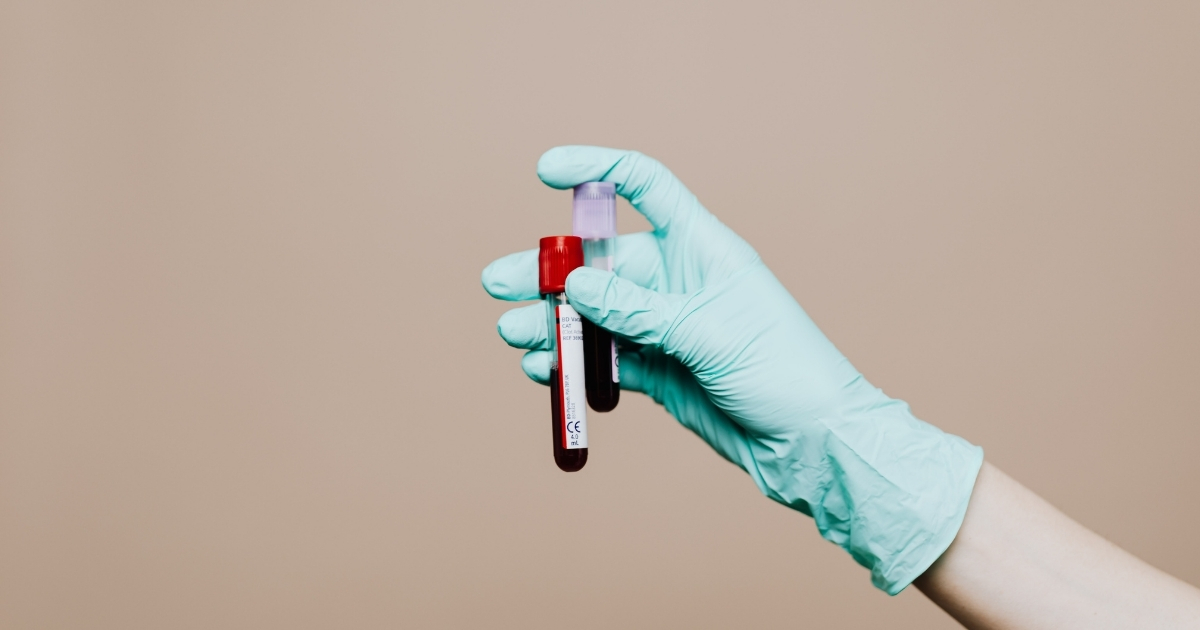
Here’s an important distinction: standard lab testing is NOT common in routine pediatric care. There are only a few times in a child’s life when routine labs are typically run. When you have a child with a chronic condition like autism, running targeted labs can open up critical insights into their physiology that you would not otherwise have. This is an opportunity, not an overreach.
Functional lab testing looks for optimal ranges and patterns of imbalance that may be contributing to symptoms. Here are some key categories we commonly consider:
- Vitamin D Levels: As discussed, this is foundational. Knowing your child’s exact 25-hydroxy vitamin D level is the only safe and effective way to determine if supplementation is needed, and to ensure levels reach a therapeutic range.
- Omega-3 Index: This test measures the amount of EPA and DHA in your child’s red blood cell membranes. A low index suggests a need for more omega-3s to support brain health and manage inflammation. The reality is that it’s simply hard to get adequate omega-3s through diet alone unless your child eats salmon and sardines on a regular basis, making supplementation a practical consideration for most families.
- Iron Studies: Simply checking a “hemoglobin” level isn’t enough. A full iron panel, including ferritin, which measures iron stores, is crucial. Low ferritin, even without anemia, can contribute to fatigue, restless sleep, and attention issues.
- Folate & Methylation Markers: Methylation is a key biochemical process affecting everything from neurotransmitter production to detoxification. Testing can reveal if your child has trouble activating folate (vitamin B9), which is vital for brain development.
- Comprehensive Stool Analysis: This is one of the most powerful tools for understanding the gut-brain axis. A detailed stool test can identify:
- Levels of “friendly” bacteria versus “dysbiotic” bacteria or yeast
- Markers of inflammation in the gut
- The presence of hidden pathogens, such as harmful yeast or parasites
- Markers of digestive function (like fat absorption)
- Inflammatory Markers: Simple blood tests like high-sensitivity C-Reactive Protein (hs-CRP) can provide a snapshot of systemic inflammation, helping to guide dietary choices aimed at reducing that inflammatory load.
These tests can help answer the “why” behind your child’s struggles. Is it inflammation? A gut imbalance? A specific nutrient deficiency? Once you have these answers, you can build a nutrition plan that is targeted, safe, and far more likely to be effective.
Final Thoughts: A Personalized, Root-Cause Approach
Nutrition is not a replacement for traditional therapies, but it is a powerful piece of the puzzle for many children with autism. By moving away from the idea of a “one-size-fits-all” diet and embracing a personalized, root-cause approach, we can uncover hidden sources of discomfort and support better brain function.
This journey requires an individualized care plan and a collaborative model. The best outcomes happen when parents work alongside healthcare providers, including functional medicine practitioners, registered dietitians, and the child’s primary care team, to interpret data and implement safe, effective interventions.
Functional lab testing provides the insights needed to move from trial-and-error to precision nutrition. It helps us look beyond the diagnosis and see the unique child with unique needs.
If you’re ready to stop guessing and start getting answers, we have a resource to help.
Get your free guide, Top 7 Labs to Consider in Autism Nutrition Support, to learn which tests can provide the critical insights needed to build a safer, more effective plan for your child.

References
Monteiro, M. A., Santos, A. A. A. D., Gomes, L. M. M., & Rito, R. V. V. F. (2020). AUTISM SPECTRUM DISORDER: A SYSTEMATIC REVIEW ABOUT NUTRITIONAL INTERVENTIONS. Revista paulista de pediatria : orgao oficial da Sociedade de Pediatria de Sao Paulo, 38, e2018262. https://doi.org/10.1590/1984-0462/2020/38/2018262
Sathe, N., Andrews, J. C., McPheeters, M. L., & Warren, Z. E. (2017). Nutritional and Dietary Interventions for Autism Spectrum Disorder: A Systematic Review. Pediatrics, 139(6), e20170346. https://doi.org/10.1542/peds.2017-0346
Amadi, C. N., Orish, C. N., Frazzoli, C., & Orisakwe, O. E. (2022). Dietary interventions for autism spectrum disorder: An updated systematic review of human studies. Psychiatrike = Psychiatriki, 33(3), 228–242. https://doi.org/10.22365/jpsych.2022.073
Akhter, M., Khan, S. M., Firdous, S. N., Tikmani, P., Khan, A., & Rafique, H. (2022). A narrative review on manifestations of gluten free casein free diet in autism and autism spectrum disorders. JPMA. The Journal of the Pakistan Medical Association, 72(10), 2054–2060. https://doi.org/10.47391/JPMA.3971
Quan, L., Xu, X., Cui, Y., Han, H., Hendren, R. L., Zhao, L., & You, X. (2022). A systematic review and meta-analysis of the benefits of a gluten-free diet and/or casein-free diet for children with autism spectrum disorder. Nutrition reviews, 80(5), 1237–1246. https://doi.org/10.1093/nutrit/nuab073